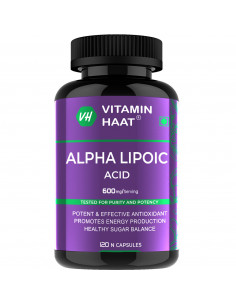
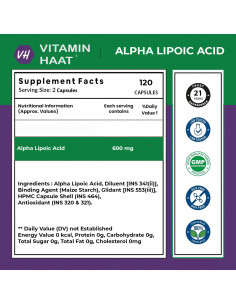
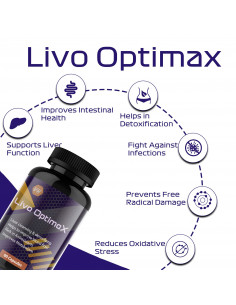
Alpha-lipoic acid (ALA) is a naturally occurring compound that functions as an antioxidant in the body. It has been found to have hepatoprotective effects and is used as a dietary supplement for liver health.
- Several studies have reported the hepatoprotective effects of ALA. One study conducted on rats showed that treatment with ALA significantly reduced liver damage caused by acetaminophen toxicity by decreasing oxidative stress and inflammation in the liver.
- Another study on rats found that ALA reduced liver damage caused by alcohol consumption by improving liver antioxidant capacity.
- Clinical studies on humans have also demonstrated the hepatoprotective effects of ALA. A randomized controlled trial conducted on patients with non-alcoholic fatty liver disease (NAFLD) found that supplementation with ALA for six months significantly improved liver function tests and decreased markers of liver damage.
- Another study on patients with chronic hepatitis C showed that supplementation with ALA for six months reduced oxidative stress and inflammation in the liver, which improved liver function.
- Furthermore, ALA has been found to have protective effects against liver damage caused by environmental toxins such as heavy metals and pesticides. A study conducted on rats exposed to cadmium, a toxic heavy metal, showed that ALA reduced liver damage by decreasing oxidative stress and inflammation in the liver.
- Another study on rats exposed to the pesticide chlorpyrifos found that ALA treatment reduced liver damage and improved liver antioxidant capacity.
In conclusion, several studies have demonstrated the hepatoprotective effects of ALA in both animal models and humans. ALA may be a useful dietary supplement for promoting liver health and preventing liver damage caused by various factors such as alcohol consumption, environmental toxins, and medication toxicity.